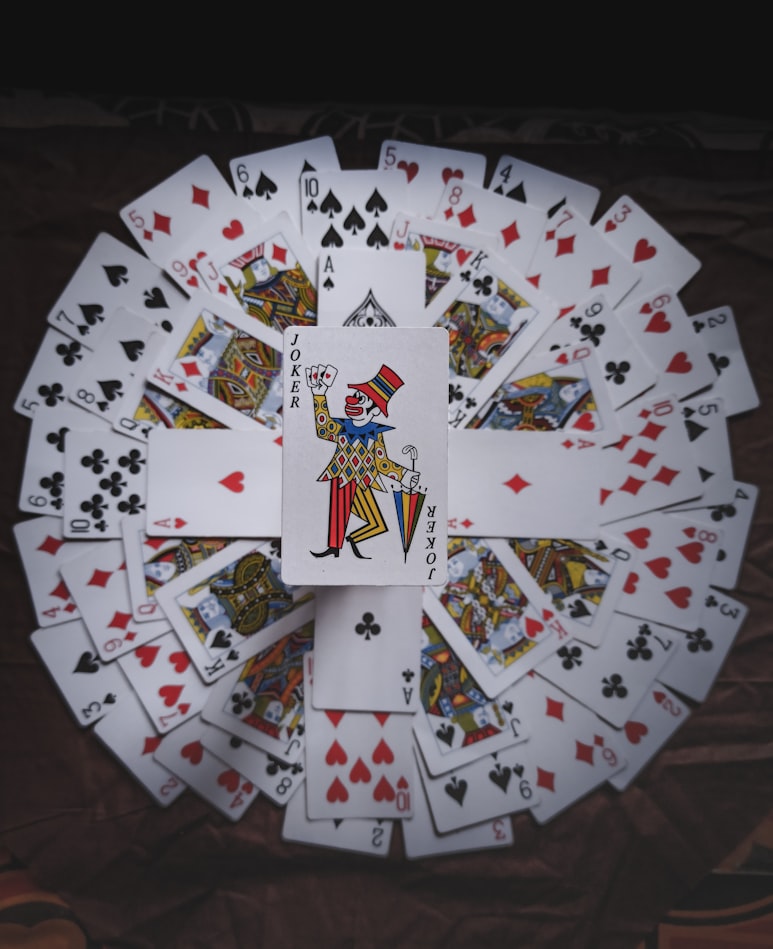
- Intricate details within jokers jewels and a collectors keen eye
- The Evolution of Joker Collectibles: From Comics to Cinema
- The Role of Prop Replicas in the Collector's Market
- Understanding Grading and Authentication
- The Impact of Condition on Value
- Investment Potential and Market Trends
- Diversification and Risk Management
- Beyond the Market: The Cultural Significance of the Joker
Intricate details within jokers jewels and a collectors keen eye
The allure of collectible items often lies in their rarity, history, and the stories they tell. Within the realm of unique collectibles, joker's jewels stand out as particularly fascinating pieces. These aren't necessarily items adorned with precious gemstones, but rather objects associated with the iconic and enigmatic Joker character – a figure deeply rooted in popular culture, particularly through comic books, films, and video games. The collectibility of these items spans a broad spectrum, from vintage playing cards and original comic book appearances to limited-edition figurines and prop replicas. The market for these pieces is driven by fans, collectors, and investors drawn to the Joker’s complex persona and the cultural impact he’s had.
The appeal of acquiring pieces related to the Joker extends beyond simple fandom. It’s about owning a fragment of a larger narrative, a tangible link to a character that represents chaos, intelligence, and a dark mirror to societal norms. The value of these collectibles is often influenced by factors such as condition, rarity, provenance (the history of ownership), and the specific iteration of the Joker they represent. For instance, items connected to Heath Ledger's portrayal of the Joker in The Dark Knight command exceptionally high prices due to the critical acclaim and lasting impact of that performance. Understanding these nuances is crucial for anyone venturing into the world of collecting these iconic artifacts.
The Evolution of Joker Collectibles: From Comics to Cinema
The earliest forms of Joker collectibles naturally originated with the character's debut in Batman 1 in 1940. These initial comic books, particularly those in high grade, are incredibly valuable today. Early appearances, showcasing the Golden Age Joker’s mischievous yet relatively harmless nature, are highly sought after. As the character evolved through the decades, so did the collectible market. The Silver Age saw a shift towards a more outlandish and chaotic Joker, reflected in the artwork and storylines of the comics. This period birthed a new wave of collectibles, including reprints, trading cards, and early merchandise tied to the Batman television series of the 1960s. The demand for these items gradually increased, establishing the Joker as a prominent figure in the world of pop culture collecting.
The late 20th and early 21st centuries witnessed an explosion of Joker-related merchandise. Animated series like Batman: The Animated Series introduced a new generation to the character, leading to a surge in demand for action figures, cels, and production artwork. However, it was Christopher Nolan’s The Dark Knight that truly propelled Joker collectibles into the stratosphere. Heath Ledger’s Oscar-winning performance redefined the character for a modern audience, and items associated with the film – including props, costumes, and limited-edition merchandise – skyrocketed in value. This impact continues to be felt today, with items from that film consistently fetching high prices at auction and in private sales.
The Role of Prop Replicas in the Collector's Market
Prop replicas – meticulously crafted copies of items used in films and television shows – have become a significant part of the Joker collectibles market. Companies specializing in high-end replicas produce incredibly detailed versions of the Joker’s signature weapons, costumes, and other props. These replicas, often made from the same materials as the originals, appeal to collectors who want to own a tangible piece of their favorite movie or show. Authenticity and licensing are crucial considerations when purchasing prop replicas. Collectors often seek out items officially licensed by Warner Bros. or other relevant rights holders, as these tend to be more accurate and maintain their value better over time. The quality of the craftsmanship also plays a vital role; the most sought-after replicas are those that are indistinguishable from the original props used in production.
| Collectible Type | Approximate Value Range (USD) | Rarity | Key Features |
|---|---|---|---|
| Batman 1 (1940) – High Grade | $50,000 – $500,000+ | Extremely Rare | First appearance of the Joker |
| The Dark Knight Prop Replica (Joker Card) | $500 – $5,000+ | Rare | Iconic prop from Heath Ledger’s portrayal |
| Vintage Joker Action Figure (1960s) | $100 – $1,000 | Uncommon | Based on the classic Batman TV series |
| Limited Edition Joker Bust (Sideshow Collectibles) | $300 – $1,500 | Limited Production | Highly detailed and collectible statue |
The market for prop replicas is competitive, and prices can vary significantly based on the accuracy, detail, and licensing of the item. Collectors should always research the manufacturer and verify the authenticity of the replica before making a purchase. Furthermore, proper storage and handling are essential to preserve the value of these collectibles.
Understanding Grading and Authentication
When it comes to vintage comic books and other paper collectibles, grading and authentication are paramount. Grading services, such as Certified Guaranty Company (CGC) and Professional Sports Authenticator (PSA), assess the condition of a collectible and assign it a numerical grade based on factors like centering, corners, color, and defects. A higher grade generally translates to a higher value. Authentication services verify the authenticity of a collectible, ensuring that it is not a forgery or reproduction. This is particularly important for high-value items, as the market is unfortunately rife with fakes. Collectors should always seek out graded and authenticated items whenever possible to protect their investment.
The grading process is subjective to some extent, and different grading services may assign slightly different grades to the same item. However, reputable grading services adhere to strict standards and employ experienced graders. Authentication services use a variety of methods to verify authenticity, including examining the paper stock, ink, printing techniques, and comparing the item to known authentic examples. Obtaining a Certificate of Authenticity (COA) from a reputable authentication service is essential for establishing the provenance and value of a collectible. A graded and authenticated piece provides peace of mind to the collector and increases its resale potential.
The Impact of Condition on Value
The condition of a collectible is arguably the single most important factor influencing its value. Even minor imperfections, such as creased corners, faded colors, or small tears, can significantly reduce the value of an item. Collectors generally seek out items in pristine or near-mint condition. However, achieving such a condition is often challenging, especially for older items. Proper storage is crucial for preserving the condition of collectibles. Items should be stored in acid-free materials, away from direct sunlight, moisture, and extreme temperatures. Handling collectibles with care, using gloves and appropriate storage containers, can also help prevent damage and maintain their value.
- Mint (M): Perfect condition, as if brand new.
- Near Mint (NM): Almost perfect, with only minor imperfections.
- Very Fine (VF): Shows some wear but is still in excellent condition.
- Fine (FN): Noticeable wear but still a collectible item.
- Good (G): Significant wear but still complete and readable.
Understanding these grading terms is essential for any collector. It allows them to accurately assess the condition of an item and determine its appropriate value. When purchasing collectibles, it's always advisable to carefully inspect the item in person or request detailed photos and descriptions from the seller.
Investment Potential and Market Trends
The market for joker's jewels, like any collectible market, is subject to fluctuations in demand and price. However, the enduring popularity of the Joker character and the growing interest in pop culture collectibles suggest that these items have strong long-term investment potential. Certain items, such as first-edition comic books and props from iconic films, are likely to continue appreciating in value over time. However, it’s important to remember that collectibles are not always guaranteed to increase in value. Market trends can shift, and unforeseen events can impact prices. Careful research and due diligence are essential for making informed investment decisions.
Recent trends in the collectible market indicate a growing demand for authenticated and graded items. Collectors are increasingly willing to pay a premium for items with a verifiable history and provenance. The rise of online auctions and marketplaces has also made it easier for collectors to buy and sell items, but it has also increased the risk of fraud. It’s crucial to use reputable platforms and exercise caution when making purchases online. Furthermore, the emergence of fractional ownership platforms is allowing investors to pool their resources and purchase high-value collectibles, making them more accessible to a wider range of investors.
Diversification and Risk Management
As with any investment portfolio, diversification is key to managing risk in the collectible market. Don’t put all your eggs in one basket; spread your investments across different types of Joker collectibles, as well as other collectible categories. This will help mitigate the impact of market fluctuations and reduce your overall risk. It is also important to consider the costs associated with collecting, such as storage, insurance, and authentication fees. These costs can eat into your returns, so factor them into your investment calculations. Finally, remember that collecting should be enjoyable. Don’t get so caught up in the investment aspect that you lose sight of the passion that drove you to start collecting in the first place.
- Research the specific collectible you're interested in.
- Verify the authenticity and provenance of the item.
- Assess the condition of the item carefully.
- Consider the long-term investment potential.
- Diversify your collection to manage risk.
By following these guidelines, you can increase your chances of success and enjoy the rewarding experience of collecting these fascinating pieces of pop culture history.
Beyond the Market: The Cultural Significance of the Joker
The enduring appeal of the Joker extends far beyond the realm of collectibles; he represents a fascinating exploration of societal anxieties, psychological complexity, and the duality of human nature. He’s a villain who often operates outside the constraints of traditional morality, challenging our perceptions of good and evil. This complexity resonates with audiences, making him a compelling and enduring figure in popular culture. The character has been interpreted in countless ways over the years, reflecting evolving societal values and artistic sensibilities. From the campy villain of the 1960s television series to the nihilistic force of nature portrayed by Heath Ledger, the Joker has consistently adapted to the times, solidifying his place as a cultural icon.
The Joker’s influence can be seen in various forms of art, literature, and film. His image and themes have been appropriated and reinterpreted by countless artists, writers, and filmmakers. He embodies a sense of chaos and unpredictability that continues to captivate and disturb audiences. The fascination with the Joker is a reflection of our own fascination with the darker aspects of the human psyche. Collecting items associated with such a compelling character isn’t just about owning a piece of memorabilia; it’s about connecting with a larger cultural narrative and exploring the complexities of the human condition.